
The Importance of Material Selection in UHP Chemical Handling
Ultra-high-purity (UHP) chemical delivery systems are crucial in semiconductor manufacturing, where also very small amounts of contamination can affect wafer top quality, procedure uniformity, and production returns. Consequently, every component that enters into contact with procedure chemicals need to be thoroughly selected. Among the most essential materials made use of in UHP chemical circulation is 316L stainless steel, specifically when the tubing and piping are electropolished. 316L stainless-steel uses a mix of deterioration resistance, mechanical stamina, cleanability, and compatibility with requiring chemical atmospheres. When properly produced and electropolished, it offers a smooth, low-contamination pathway for transporting high-purity chemicals from storage and distribution devices to factors of use. Just How Electropolishing Supports Chemical Purity The efficiency of stainless-steel piping in a UHP system depends not only on the product itself however also on the problem of its internal surface area. Electropolishing is an electrochemical completing process that removes a slim layer of material from the stainless-steel surface. This process can minimize tiny surface irregularities, generating a smoother and extra consistent interior surface.
A smoother surface area is beneficial because it supplies less locations where fragments, deposits, or chemical contaminants can gather. In a properly made UHP chemical shipment system, this helps maintain the sanitation of the fluid path and sustains regular chemical quality.
Electropolishing can also boost the surface area's rust resistance by promoting a cleaner, extra easy stainless-steel surface. This is especially crucial when piping is exposed to hostile procedure chemicals over prolonged operating periods.
Why 316L Stainless Steel Is Well Matched to UHP Systems
The "L" in 316L describes its reduced carbon content compared to basic 316 stainless steel. This feature can help reduce the danger of sensitization during welding and sustains corrosion resistance in appropriately made assemblies. These properties make 316L an extensively used material for requiring process-fluid applications.
For semiconductor chemical shipment, corrosion resistance is especially essential. Chemical degradation of piping can introduce undesirable metal pollutants right into the process stream while also reducing tools life. Premium 316L building and construction, combined with appropriate manufacture and surface therapy, aids develop a long lasting and reputable chemical path. To Know Extra at https://www.chengweisemi.com/product/
The efficiency of stainless-steel piping in a UHP system depends not only on the product itself however also on the problem of its internal surface area. Electropolishing is an electrochemical completing process that removes a slim layer of material from the stainless-steel surface. This process can minimize tiny surface irregularities, generating a smoother and extra consistent interior surface.
A smoother surface area is beneficial because it supplies less locations where fragments, deposits, or chemical contaminants can gather. In a properly made UHP chemical shipment system, this helps maintain the sanitation of the fluid path and sustains regular chemical quality.
Electropolishing can also boost the surface area's rust resistance by promoting a cleaner, extra easy stainless-steel surface. This is especially crucial when piping is exposed to hostile procedure chemicals over prolonged operating periods.
Why 316L Stainless Steel Is Well Matched to UHP Systems
The "L" in 316L describes its reduced carbon content compared to basic 316 stainless steel. This feature can help reduce the danger of sensitization during welding and sustains corrosion resistance in appropriately made assemblies. These properties make 316L an extensively used material for requiring process-fluid applications.
For semiconductor chemical shipment, corrosion resistance is especially essential. Chemical degradation of piping can introduce undesirable metal pollutants right into the process stream while also reducing tools life. Premium 316L building and construction, combined with appropriate manufacture and surface therapy, aids develop a long lasting and reputable chemical path. To Know Extra at https://www.chengweisemi.com/product/ .
The product's mechanical toughness is an additional advantage. Chemical delivery systems might run continuously and can include long piping runs, shutoffs, fittings, and link points. The piping has to maintain architectural stability while supporting trusted chemical transport and system uptime.
Sustaining Trusted Chemical Circulation
.
The product's mechanical toughness is an additional advantage. Chemical delivery systems might run continuously and can include long piping runs, shutoffs, fittings, and link points. The piping has to maintain architectural stability while supporting trusted chemical transport and system uptime.
Sustaining Trusted Chemical Circulation
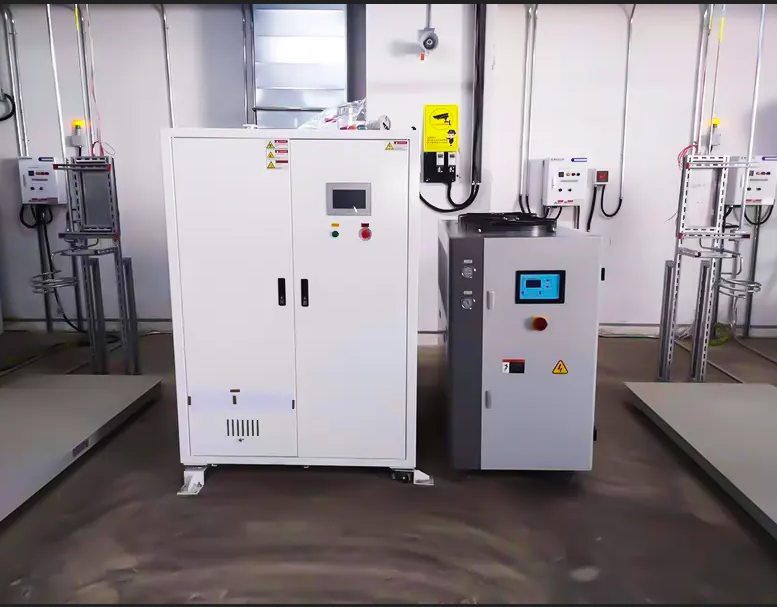
 In advanced UHP Chemical Dedelivery Cabinet facilities, chemical shipment is greater than just moving liquids from one location to one more. The system must preserve controlled conditions throughout transport, circulation, and point-of-use shipment. This makes the top quality of the piping facilities an integral part of total procedure control.
Electropolished 316L piping can support this purpose by supplying a regulated, clean interior pathway. When integrated with ideal shutoffs, fittings, filtering, surveillance, and automated controls, it can add to a chemical distribution architecture made around pureness and repeatability.
For business such as Shanghai Chengwei Semiconductor Devices Co., Ltd., UHP chemical distribution modern technologies can combine these product benefits with automated Chemical Distribution Solution (CDS) and Chemical Distribution Components (CDM). A CDS can support bulk chemical transport from storage space towards center circulation, while a CDM can offer controlled chemical shipment, mixing, or dilution closer to the factor of usage. In both applications, the stability of the fluid-contacting components is vital to maintaining the intended chemical atmosphere.
Final thought
In advanced UHP Chemical Dedelivery Cabinet facilities, chemical shipment is greater than just moving liquids from one location to one more. The system must preserve controlled conditions throughout transport, circulation, and point-of-use shipment. This makes the top quality of the piping facilities an integral part of total procedure control.
Electropolished 316L piping can support this purpose by supplying a regulated, clean interior pathway. When integrated with ideal shutoffs, fittings, filtering, surveillance, and automated controls, it can add to a chemical distribution architecture made around pureness and repeatability.
For business such as Shanghai Chengwei Semiconductor Devices Co., Ltd., UHP chemical distribution modern technologies can combine these product benefits with automated Chemical Distribution Solution (CDS) and Chemical Distribution Components (CDM). A CDS can support bulk chemical transport from storage space towards center circulation, while a CDM can offer controlled chemical shipment, mixing, or dilution closer to the factor of usage. In both applications, the stability of the fluid-contacting components is vital to maintaining the intended chemical atmosphere.
Final thought
 316L stainless steel issues in UHP chemical delivery systems due to the fact that worldly quality and surface area problem straight add to the integrity of the chemical circulation course. Electropolishing more enhances the suitability of stainless-steel piping by creating a smoother, cleaner interior surface and supporting corrosion resistance.
For semiconductor suppliers collaborating with progressively demanding pureness needs, electropolished 316L piping can form an essential structure for trustworthy chemical circulation. When incorporated with precision design, automated controls, proper construction techniques, and properly designed CDM and CDS technologies, it helps develop chemical distribution systems with the ability of supporting regular, high-purity semiconductor processes.
--
316L stainless steel issues in UHP chemical delivery systems due to the fact that worldly quality and surface area problem straight add to the integrity of the chemical circulation course. Electropolishing more enhances the suitability of stainless-steel piping by creating a smoother, cleaner interior surface and supporting corrosion resistance.
For semiconductor suppliers collaborating with progressively demanding pureness needs, electropolished 316L piping can form an essential structure for trustworthy chemical circulation. When incorporated with precision design, automated controls, proper construction techniques, and properly designed CDM and CDS technologies, it helps develop chemical distribution systems with the ability of supporting regular, high-purity semiconductor processes.
--  Aalilyanna Trump - 2026-08-20
Comments
 Edit | Attach |
 Copyright © by the contributing authors, 2007-2026.
Ideas, requests, problems regarding Daya Bay? Send feedback